
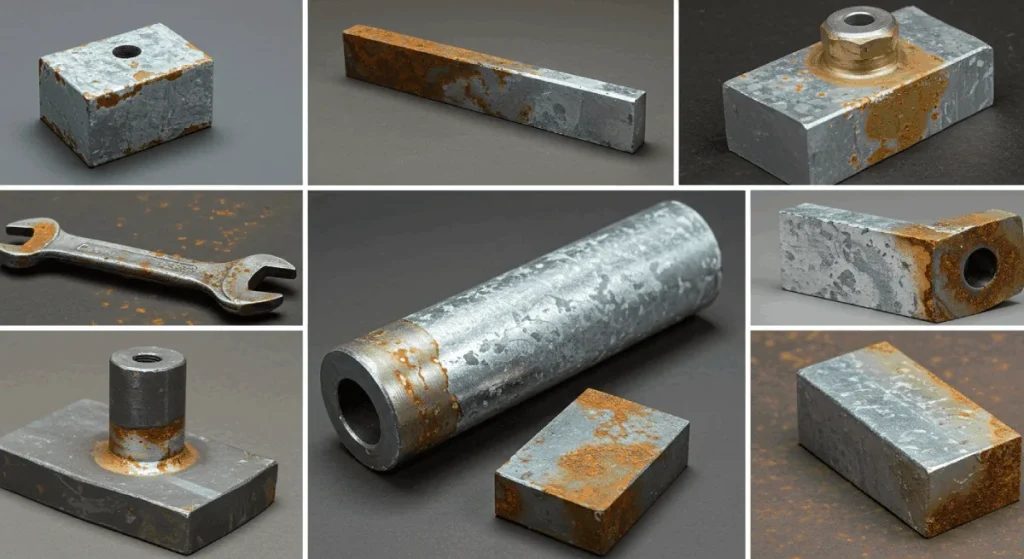
Industrial corrosion is a silent destroyer. It creeps into pipelines, steel frameworks, storage tanks, offshore rigs, bridges, and manufacturing equipment without warning. One day a structure looks perfectly stable, and the next, rust has already eaten deep into the metal surface like termites inside wood. Across industries worldwide, corrosion costs businesses trillions of dollars every year through repairs, downtime, production loss, and safety failures. Recent market reports estimate that anti-corrosion coating technologies are becoming one of the fastest-growing sectors in industrial maintenance because companies are prioritizing asset longevity and predictive maintenance strategies in 2026.
Modern industrial facilities face harsher operating conditions than ever before. Chemical exposure, high humidity, saltwater environments, temperature fluctuations, and pollution constantly attack metal surfaces. The challenge is no longer just stopping rust temporarily. Industries now want long-term corrosion resistance that reduces maintenance cycles, lowers environmental impact, and extends infrastructure lifespan by decades. That shift has transformed corrosion protection from a simple maintenance task into a strategic engineering investment.
What makes corrosion prevention fascinating is that it combines chemistry, engineering, environmental science, and economics into one battlefield. A poorly coated steel structure can deteriorate rapidly even if it looks strong from the outside. On the other hand, a properly protected structure can survive extreme industrial environments for decades with minimal degradation. Think of corrosion protection like building armor for metal. Without armor, even the strongest steel eventually loses the war against moisture, oxygen, and chemicals.
This guide explores the latest strategies industries are using in 2026 to protect metal structures from industrial corrosion. From understanding the root causes of corrosion to selecting advanced protective coatings and maintenance programs, every section focuses on practical, real-world industrial applications that help facilities maximize durability and operational safety.
Understanding Industrial Corrosion
Why Corrosion Is a Major Industrial Threat
Corrosion is not simply a cosmetic issue where metal turns reddish-brown and unattractive. In industrial environments, corrosion attacks the structural integrity of steel and other metals at the molecular level. Once corrosion begins, the metal gradually weakens, loses thickness, and becomes vulnerable to cracks, leaks, and catastrophic failure. Industrial sectors such as oil and gas, manufacturing, marine transportation, chemical processing, mining, and power generation are especially vulnerable because their operations constantly expose metal equipment to aggressive conditions.
Imagine an offshore oil platform standing in saltwater twenty-four hours a day while facing high winds, UV radiation, chemical exposure, and moisture. That environment acts like a perfect storm for corrosion. The same applies to industrial pipelines carrying corrosive chemicals or factories operating in humid climates. Without proper protection systems, metal structures deteriorate much faster than engineers originally intended.
Corrosion also creates a hidden danger because damage often develops beneath insulation, paint layers, or inside pipes where visual inspections cannot easily detect problems. Corrosion under insulation, often called CUI, has become a growing concern in industrial sectors worldwide. Reports published in 2026 indicate that industries are increasing investment in specialized coatings and predictive monitoring systems specifically to combat these hidden threats.
The challenge becomes even more complicated when industries try balancing performance, sustainability, and regulatory compliance. Older coating systems often contained high VOC emissions or hazardous compounds that modern environmental standards increasingly restrict. Today’s industrial facilities require advanced solutions that combine durability with environmental responsibility.
Economic and Safety Impact of Corrosion
The economic consequences of industrial corrosion are enormous. Global studies estimate corrosion-related costs exceed 3% of worldwide GDP annually, making it one of the costliest industrial problems on Earth. Businesses lose money not only through direct repair costs but also through production shutdowns, emergency maintenance, environmental fines, and equipment replacement.
Safety risks make corrosion even more serious. Corroded pipelines can leak hazardous chemicals into the environment. Weak steel structures may collapse unexpectedly. Storage tanks with hidden corrosion can rupture under pressure. In sectors like aviation, marine transport, or energy production, corrosion-related failures can threaten human lives on a massive scale.
A single failure inside an industrial plant can trigger a domino effect. Equipment breakdown leads to operational downtime, downtime affects supply chains, delayed deliveries impact customers, and financial losses spread across multiple business layers. That is why modern companies now treat corrosion prevention as an essential part of asset management rather than a secondary maintenance issue.
What Causes Industrial Corrosion?
Environmental Factors That Accelerate Corrosion
Corrosion happens when metal reacts with its surrounding environment. The speed and severity of corrosion depend heavily on environmental conditions. Moisture is one of the biggest triggers because water enables electrochemical reactions on metal surfaces. Add oxygen into the equation, and corrosion accelerates rapidly.
Humidity acts like fuel for rust formation. Industrial facilities located near coastlines face even greater risks because saltwater particles increase electrical conductivity and speed up oxidation. Temperature fluctuations create expansion and contraction cycles that weaken protective coatings over time. Acid rain, industrial pollutants, and airborne chemicals also contribute to faster metal degradation.
Factories operating in chemical processing environments face another challenge entirely. Acids, alkalis, solvents, and corrosive gases attack protective layers directly. Even microscopic coating damage can become an entry point where aggressive chemicals start penetrating the substrate beneath.
Environmental exposure categories are often classified using ISO standards because different conditions require different protection systems. A dry indoor warehouse has far lower corrosion risk than a marine offshore platform constantly exposed to chlorides and moisture. Understanding these environmental categories helps engineers choose coating systems capable of surviving specific industrial conditions.
Chemical and Electrochemical Reactions
At its core, corrosion is an electrochemical process. When metal interacts with oxygen and moisture, tiny electrical cells form on the surface. Some areas act as anodes while others act as cathodes, creating electron movement that slowly consumes the metal itself.
Rust formation on steel is one of the most common examples. Iron reacts with oxygen and water to form iron oxide, which gradually flakes away and exposes fresh metal underneath. This creates a continuous cycle of deterioration unless protective measures interrupt the process.
Galvanic corrosion introduces another layer of complexity. When two dissimilar metals come into contact in the presence of an electrolyte like water, one metal corrodes faster than the other. Industries using mixed-metal assemblies must carefully engineer compatibility to avoid accelerated degradation.
Industrial chemicals can intensify these reactions dramatically. Sulfur compounds, chlorides, acids, and alkaline substances all interact differently with metal surfaces. Some chemicals destroy coatings directly, while others penetrate microscopic imperfections and attack the substrate beneath.
Common Types of Corrosion in Industrial Facilities
Uniform Corrosion
Uniform corrosion is the most recognizable form because it spreads relatively evenly across a metal surface. Rusted steel beams, weathered tanks, and oxidized machinery often show this pattern. While uniform corrosion is predictable and easier to monitor, it still causes significant structural weakening over time.
Industries often manage uniform corrosion effectively through coatings, galvanization, and scheduled maintenance. Protective paint systems act like shields that separate the metal from oxygen and moisture. Once coatings become damaged, however, corrosion quickly resumes its attack.
Galvanic Corrosion
Galvanic corrosion occurs when two different metals contact each other electrically in the presence of moisture. One metal sacrifices itself and corrodes faster, while the other remains protected. This phenomenon resembles a battery reaction happening directly inside industrial infrastructure.
For example, combining aluminum and steel without proper isolation can trigger galvanic activity. Marine environments are particularly vulnerable because saltwater acts as a powerful electrolyte. Engineers often use insulating materials, sacrificial anodes, or compatible metal combinations to minimize this risk.
Pitting and Crevice Corrosion
Pitting corrosion is especially dangerous because it creates tiny holes that penetrate deeply into metal surfaces while remaining difficult to detect visually. Stainless steel, despite its corrosion resistance, can still suffer pitting when exposed to chlorides.
Crevice corrosion develops inside tight spaces where moisture and contaminants become trapped. Bolted joints, gaskets, and overlapping metal sections create ideal conditions for this type of attack. Since oxygen availability differs inside the crevice compared to surrounding areas, localized corrosion accelerates rapidly.
Stress Corrosion Cracking
Stress corrosion cracking combines tensile stress with corrosive environments, producing cracks that may spread suddenly without warning. Pipelines, pressure vessels, and structural supports often face this threat.
What makes stress corrosion cracking terrifying is its unpredictability. Metal components may appear normal externally while microscopic cracks expand internally. Eventually, catastrophic failure occurs under pressure or vibration.
Best Protective Coating Technologies in 2026
Epoxy and Zinc-Rich Primers
Epoxy coatings remain the dominant industrial corrosion protection solution because of their exceptional adhesion, chemical resistance, and durability. Market reports from 2026 show epoxy systems still account for the largest share of industrial anti-corrosion coatings globally.
Zinc-rich primers add another layer of defense by providing cathodic protection. Instead of allowing steel to corrode, zinc sacrifices itself first, protecting the underlying substrate. This principle works similarly to sacrificial anodes used on ships and pipelines.
Industries commonly combine zinc-rich primers with epoxy intermediate coats and polyurethane topcoats to create multi-layer protection systems capable of lasting decades. These systems are widely used in bridges, offshore platforms, industrial tanks, and energy infrastructure.
| Coating Type | Main Advantage | Common Applications |
|---|---|---|
| Epoxy Coatings | Chemical resistance | Pipelines, tanks, factories |
| Zinc-Rich Primers | Cathodic protection | Offshore steel, bridges |
| Polyurethane | UV resistance | Exterior structures |
| Fluoropolymer | Extreme durability | Marine and chemical plants |
Polyurethane and Fluoropolymer Systems
Polyurethane coatings are valued for UV resistance and aesthetic durability. Unlike some coatings that chalk or fade under sunlight, polyurethane maintains appearance and performance for years. That makes it ideal for exposed industrial structures where weather resistance matters.
Fluoropolymer coatings are becoming increasingly important in 2026 due to their exceptional resistance to chloride exposure, chemicals, and harsh marine conditions. Reports indicate fluoropolymer systems are among the fastest-growing premium coating technologies, especially in offshore energy and hydrogen infrastructure projects.
These coatings create highly stable molecular structures that resist environmental breakdown better than many traditional alternatives. While more expensive initially, their extended lifespan often reduces long-term maintenance costs significantly.
Smart Nano-Coatings and Self-Healing Technologies
One of the most exciting innovations in industrial corrosion protection involves smart coatings enhanced with nanotechnology. Researchers are developing coatings capable of detecting damage, resisting microcracks, and even repairing themselves automatically.
MXene-enhanced epoxy coatings represent one promising breakthrough. Recent academic studies demonstrate that advanced multilayer nano-structured coatings dramatically improve corrosion resistance in chloride-rich environments.
Self-healing coatings work almost like human skin. When small cracks appear, embedded compounds react and seal the damaged area before corrosion spreads further. While still evolving commercially, these technologies are rapidly gaining attention in high-value infrastructure sectors.
Surface Preparation Methods Before Coating
Abrasive Blasting Techniques
Even the best coating system fails if applied over poorly prepared surfaces. Surface preparation acts as the foundation for successful corrosion protection. Abrasive blasting remains one of the most effective preparation methods because it removes rust, contaminants, old coatings, and mill scale while creating a textured profile that improves coating adhesion.
Think of blasting like sanding wood before painting furniture. If the surface remains dirty or uneven, the paint will eventually peel away. Industrial coatings behave the same way. Proper blasting ensures strong mechanical bonding between the coating and metal substrate.
Different blasting materials produce different surface profiles. Steel grit, garnet, aluminum oxide, and glass beads each serve specific applications depending on required cleanliness and roughness standards.
Chemical Cleaning and Degreasing
Industrial surfaces often contain oils, grease, salts, and chemical residues that blasting alone cannot remove completely. Chemical cleaning and degreasing processes eliminate these contaminants before coating application begins.
Salt contamination is particularly dangerous in marine environments because invisible chlorides trapped beneath coatings can trigger corrosion even after painting. Modern inspection methods now include surface salt testing to ensure cleanliness before coating operations proceed.
Environmental regulations also influence preparation methods in 2026. Industries increasingly adopt low-emission cleaning systems and recyclable blasting materials to reduce ecological impact while maintaining performance standards.
Maintenance Best Practices for Long-Term Protection
Inspection and Monitoring Programs
Corrosion protection is not a “set it and forget it” process. Even high-performance coatings require ongoing inspection and maintenance. Smart industrial facilities now use scheduled monitoring programs that identify coating failures early before serious structural damage develops.
Inspectors check for blistering, cracking, discoloration, delamination, and rust breakthrough. Technologies like ultrasonic thickness testing help measure metal loss without damaging the structure itself.
Drones are becoming increasingly popular for inspecting large industrial assets such as storage tanks, offshore platforms, and wind turbines. Instead of risking worker safety through dangerous climbing operations, facilities now deploy drones equipped with high-resolution imaging systems.
Predictive Maintenance Strategies
Predictive maintenance is transforming industrial corrosion management. Instead of waiting for visible damage, companies now analyze environmental conditions, coating age, operating temperatures, and inspection data to predict where corrosion is likely to occur next.
Artificial intelligence and digital twin technology are becoming part of corrosion prevention strategies in advanced industrial sectors. Reports show growing investment in predictive maintenance tools integrated with coating systems and asset monitoring software.
This approach saves enormous costs because businesses repair minor issues before they escalate into major failures. Predictive maintenance also minimizes downtime, improves worker safety, and extends infrastructure lifespan dramatically.
Case Study: Corrosion Prevention in Harsh Environments
Offshore and Marine Infrastructure
Few environments challenge metal structures more aggressively than offshore marine conditions. Constant salt spray, UV exposure, humidity, temperature fluctuations, and wave action combine into a relentless corrosion assault.
An offshore energy platform operating without proper corrosion protection would deteriorate rapidly. Engineers therefore use multi-layer systems combining zinc-rich primers, epoxy barriers, and polyurethane or fluoropolymer topcoats. Cathodic protection systems further reduce corrosion risks by redirecting electrochemical reactions away from critical steel components.
Maintenance teams conduct continuous inspections because marine corrosion can spread quickly once protective systems become compromised. Specialized coatings designed for splash zones receive particular attention because these areas experience repeated wet-dry cycles that accelerate deterioration.
Modern offshore facilities increasingly adopt advanced coatings with lower VOC emissions and longer maintenance intervals. Reports from 2026 indicate growing demand for sustainable high-performance marine coatings capable of reducing lifecycle costs while meeting environmental regulations.
Choosing the Right Conservation Partner
Key Qualities to Look for in a Corrosion Specialist
Selecting the right corrosion protection partner is one of the most important decisions any industrial facility can make. Even premium coating products fail if contractors lack expertise in surface preparation, environmental control, or application techniques.
A qualified corrosion specialist should understand international standards such as ISO 12944, SSPC, and NACE requirements. Experience within specific industries also matters because marine projects, chemical plants, and manufacturing facilities each face unique corrosion challenges.
The best partners provide more than coating application alone. They offer inspection programs, maintenance planning, environmental compliance guidance, and lifecycle cost analysis. Think of them as long-term infrastructure guardians rather than temporary service providers.
Businesses should evaluate contractors based on:
- Certification and industry standards compliance
- Experience in similar operating environments
- Surface preparation capabilities
- Safety record
- Use of advanced coating technologies
- Inspection and monitoring expertise
- Sustainability practices
Industrial corrosion protection is ultimately about preserving operational continuity. The right partner helps businesses avoid unexpected failures, protect employee safety, and maximize infrastructure investments over decades.
Conclusion
Industrial corrosion may seem inevitable, but catastrophic damage is not. With the right combination of surface preparation, advanced coating systems, predictive maintenance, and expert oversight, metal structures can survive even the harshest industrial environments for decades.
The corrosion protection industry in 2026 is evolving rapidly. Epoxy systems, zinc-rich primers, fluoropolymers, and smart nano-coatings are reshaping how industries defend infrastructure against environmental attack. At the same time, predictive maintenance technologies and AI-driven inspections are helping companies move from reactive repairs to proactive asset management.
Corrosion protection is no longer just about preventing rust. It is about extending asset lifespan, reducing operational risk, improving sustainability, and protecting billions of dollars in industrial infrastructure investments. Businesses that treat corrosion prevention as a strategic priority gain a significant competitive advantage through lower downtime, higher reliability, and improved safety performance.
The strongest metal structures in the world still need protection. Without it, corrosion eventually wins. With the right systems in place, industries can keep steel, pipelines, machinery, and infrastructure operating safely for generations.
