
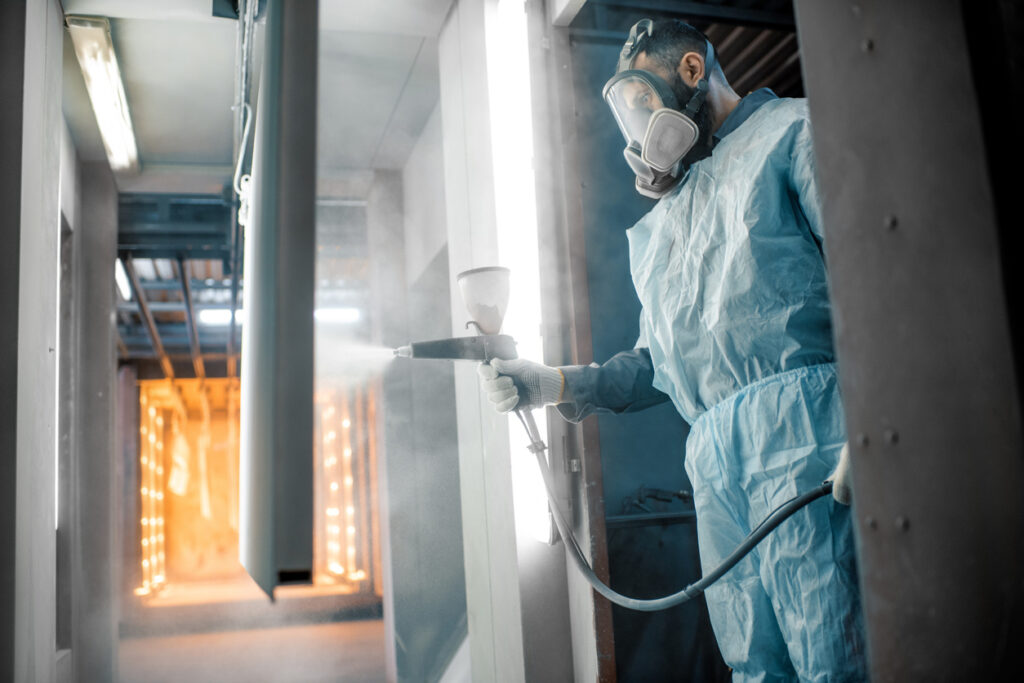
Protective coatings serve as the first line of defense against corrosion, abrasion, chemicals, moisture, and environmental degradation. Without coatings, metal structures would deteriorate much faster under industrial operating conditions. Think of coatings as armor plating for industrial assets. They absorb environmental stress so the substrate underneath remains protected.
Corrosion alone costs the global economy trillions of dollars annually. Industries such as oil and gas, marine transportation, manufacturing, mining, and power generation are especially vulnerable because they operate in highly aggressive environments. Saltwater, industrial chemicals, humidity, and UV radiation constantly attack exposed metal surfaces. Protective coatings interrupt this process by creating a barrier between the environment and the substrate.
Coatings also improve safety and operational efficiency. A corroded storage tank or weakened steel structure can become a major hazard. Protective systems help prevent leaks, structural failures, and unplanned downtime. In many industries, coating systems are considered essential for regulatory compliance and asset integrity management.
Modern coatings do far more than simply stop rust. Some coatings resist chemicals, others reflect heat, and advanced nano-coatings can even repair microscopic damage automatically. This evolution has transformed protective coatings into highly specialized engineering systems rather than simple paint products.
Epoxy Coating vs Polyurethane Coating
Characteristics of Epoxy Systems
Epoxy coatings are widely used in industrial environments because of their excellent adhesion and chemical resistance. These coatings create a hard protective barrier capable of resisting moisture, solvents, and corrosive chemicals. Epoxy systems are commonly applied on pipelines, storage tanks, factory floors, marine structures, and steel frameworks.
One of the biggest advantages of epoxy coatings is their durability in harsh chemical environments. They bond tightly to prepared metal surfaces and provide strong corrosion resistance for long periods. Epoxy primers are also frequently combined with zinc-rich coatings to enhance cathodic protection.
However, epoxy coatings have limitations. They can become brittle over time when exposed to UV radiation and may lose gloss or discolor in outdoor environments. For this reason, industries often apply polyurethane topcoats over epoxy layers to improve weather resistance.
Benefits of Polyurethane Coatings
Polyurethane coatings are highly valued for their flexibility, UV stability, and aesthetic appearance. Unlike epoxy systems, polyurethane maintains color retention and gloss even after prolonged sunlight exposure. This makes it ideal for exterior applications such as bridges, offshore structures, and architectural steel.
Polyurethane also provides excellent abrasion resistance. In environments where surfaces experience constant mechanical wear, polyurethane coatings often outperform many traditional alternatives. Their flexibility helps absorb minor structural movement without cracking.
Another important benefit is appearance. Polyurethane coatings create smooth, attractive finishes that remain visually stable for years. This is why they are commonly used in automotive and infrastructure projects where both protection and aesthetics matter.
Side-by-Side Comparison
| Feature | Epoxy Coating | Polyurethane Coating |
|---|---|---|
| Chemical Resistance | Excellent | Good |
| UV Resistance | Moderate | Excellent |
| Abrasion Resistance | High | Very High |
| Flexibility | Moderate | High |
| Appearance Retention | Moderate | Excellent |
| Common Use | Tanks, pipelines | Exterior steel, bridges |
In many industrial projects, epoxy and polyurethane are not competitors but partners. Epoxy provides the corrosion barrier while polyurethane protects against UV damage and physical wear.
Ceramic Coatings for High-Temperature Environments
Heat Resistance Capabilities
Ceramic coatings are designed for environments where conventional coatings fail under extreme temperatures. These coatings can withstand heat levels that would quickly destroy standard polymer-based systems. Industrial furnaces, exhaust systems, turbines, boilers, and engine components often rely on ceramic protection.
The secret behind ceramic coatings lies in their thermal stability. Ceramic particles create an insulating layer that reflects or disperses heat instead of absorbing it. This helps reduce thermal stress on underlying metal surfaces.
In industries such as aerospace, energy generation, and heavy manufacturing, ceramic coatings improve both equipment lifespan and energy efficiency. By reducing heat transfer, they help machinery operate more efficiently while minimizing thermal fatigue.
Industrial Applications
Ceramic coatings are especially valuable in sectors where temperature resistance is critical. Gas turbines, refinery equipment, and automotive exhaust systems all benefit from ceramic thermal barriers. These coatings also resist oxidation at elevated temperatures, which significantly reduces high-temperature corrosion.
Another emerging trend in 2026 is the use of hybrid ceramic-polymer systems. These combine the flexibility of traditional coatings with the thermal protection of ceramics, creating more versatile industrial solutions.
Advantages of Nano-Coating Technologies
Nano-Level Surface Protection
Nano-coatings represent one of the most advanced developments in surface engineering. These coatings operate at the molecular level, creating ultra-thin protective barriers that repel moisture, dirt, chemicals, and contaminants.
Unlike traditional thick-film coatings, nano-coatings can maintain transparency and lightweight properties while still providing exceptional performance. This makes them highly attractive for electronics, renewable energy systems, automotive components, and industrial equipment.
Nano-coatings also improve hydrophobicity, meaning surfaces repel water more effectively. Water droplets slide away instead of remaining on the surface, reducing the conditions necessary for corrosion to develop.
Self-Healing and Smart Coatings
Some nano-coatings now incorporate self-healing capabilities. When microscopic damage occurs, embedded compounds react automatically to seal cracks before corrosion spreads further. This technology resembles biological healing processes found in nature.
Smart coatings can also monitor environmental conditions and change behavior depending on temperature, humidity, or chemical exposure. These innovations are pushing protective coatings into the era of intelligent materials.
Although nano-coatings remain more expensive than conventional systems, industries increasingly view them as long-term investments because they reduce maintenance frequency and improve durability.
Cost vs Performance Analysis
Initial Investment vs Lifecycle Cost
One of the biggest mistakes companies make is selecting coatings based only on upfront cost. A cheaper coating system may fail quickly, leading to expensive maintenance and operational downtime. High-performance coatings often require greater initial investment but provide lower lifecycle costs.
For example, fluoropolymer or ceramic coatings may appear expensive during installation, yet their extended durability significantly reduces repainting frequency and maintenance labor over time.
Maintenance Savings
Long-lasting coatings reduce inspection frequency, minimize shutdowns, and improve operational reliability. In industries where downtime costs millions of dollars per day, investing in premium protective systems often becomes economically justified.
Predictive maintenance technologies in 2026 are also helping companies maximize coating lifespan through data-driven inspection strategies.
Environmental Impact of Different Coatings
VOC Emissions and Sustainability
Traditional solvent-based coatings often release volatile organic compounds (VOCs), contributing to air pollution and environmental concerns. Regulations worldwide are becoming stricter regarding VOC emissions in industrial applications.
Water-based coatings and low-VOC formulations are becoming increasingly popular because they reduce environmental impact while maintaining strong protective performance.
Eco-Friendly Innovations
Modern coating manufacturers are investing heavily in sustainable technologies. Bio-based resins, recyclable materials, and low-energy curing systems are gaining momentum across multiple industries.
Nano-coatings also contribute to sustainability by extending infrastructure lifespan and reducing material waste caused by corrosion-related replacements.
How to Select the Right Coating System
Environmental Conditions
The operating environment should always determine coating selection. Marine environments require chloride resistance, chemical plants need solvent resistance, and high-temperature facilities demand thermal stability.
Understanding exposure conditions helps engineers design multi-layer systems capable of surviving specific operational challenges.
Budget and Maintenance Planning
Budget considerations should include long-term maintenance costs rather than only installation expenses. A coating system with a longer service life often provides better overall value despite higher upfront pricing.
Businesses should also evaluate maintenance accessibility, inspection schedules, and regulatory requirements before finalizing coating specifications.
Conclusion
Protective coating technologies have evolved far beyond traditional paint systems. Modern industries now rely on highly engineered coating solutions that provide corrosion resistance, thermal protection, chemical durability, and environmental sustainability.
Epoxy systems remain essential for corrosion control, polyurethane coatings excel in UV stability and appearance retention, ceramic coatings dominate high-temperature applications, and nano-coatings represent the future of intelligent surface protection.
Choosing the right coating technology requires balancing environmental exposure, performance expectations, maintenance requirements, and lifecycle costs. Businesses that invest strategically in advanced coating systems gain longer asset lifespan, lower operational risk, and improved infrastructure reliability.
