
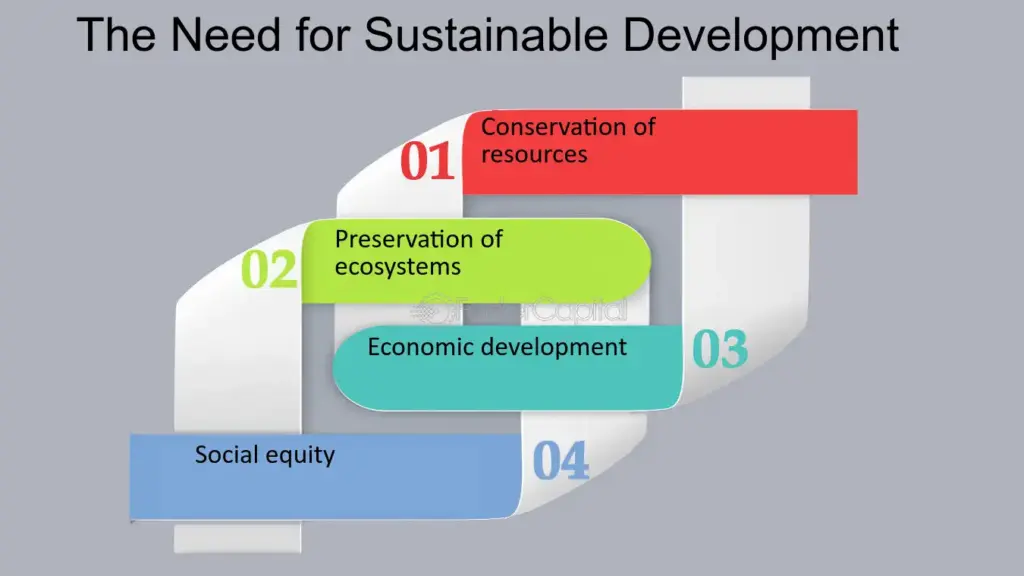
Industrial sectors are facing enormous environmental and economic challenges in 2026. Aging infrastructure, rising energy costs, stricter environmental regulations, and increasing climate risks are forcing companies to rethink how they maintain and preserve industrial assets. Traditional maintenance strategies often focused only on repairing damage after it occurred. Sustainable conservation takes a completely different approach by emphasizing prevention, efficiency, and long-term durability.
The need for sustainable conservation has become especially urgent in industries such as oil and gas, marine transportation, mining, manufacturing, and energy production. These sectors depend heavily on metal structures and complex machinery operating in harsh conditions. Corrosion, wear, and environmental degradation can shorten equipment lifespan dramatically if assets are not protected properly.
Climate change is also intensifying the problem. Rising humidity, extreme weather events, higher temperatures, and increased coastal salinity are accelerating infrastructure deterioration worldwide. Industrial facilities near coastal regions now face much higher corrosion risks than they did decades ago. Sustainable conservation strategies help industries adapt to these changing environmental conditions while reducing material waste and energy consumption.
Another major factor is economics. Replacing industrial infrastructure is extremely expensive. Businesses increasingly realize that preserving existing assets is far more cost-effective than constant replacement. Sustainable conservation extends the operational lifespan of structures, pipelines, storage tanks, and production systems, reducing both capital expenditure and environmental impact.
Low-Emission Surface Protection Technologies
Water-Based and Low-VOC Coatings
One of the biggest trends in 2026 is the rapid adoption of low-emission protective coating technologies. Traditional solvent-based coatings release volatile organic compounds (VOCs), which contribute to air pollution and create health risks for workers. Environmental regulations around the world are pushing industries toward cleaner alternatives.
Water-based coatings have become significantly more advanced in recent years. Modern formulations now offer impressive corrosion resistance, durability, and adhesion performance while dramatically reducing VOC emissions. These coatings are increasingly used in manufacturing plants, steel infrastructure, marine projects, and transportation systems.
Powder coating technology is also gaining popularity because it produces minimal waste and eliminates many solvent-related emissions. Unlike traditional liquid coatings, powder coatings use dry particles that bond to surfaces during curing, creating highly durable protective layers.
Industries are also investing in UV-curable coatings that require less energy during application. These systems cure rapidly under ultraviolet light, reducing production time and lowering energy consumption. The result is a more sustainable and efficient coating process.
Advanced Eco-Friendly Protective Systems
Eco-friendly coating systems in 2026 are no longer viewed as weaker alternatives to traditional products. In many cases, they now outperform older technologies in durability and lifecycle performance. Advanced fluoropolymer coatings, graphene-enhanced systems, and hybrid ceramic coatings provide exceptional protection while reducing environmental impact.
Manufacturers are increasingly developing coatings that combine multiple protective properties into one system. For example, some coatings now offer corrosion resistance, UV protection, self-cleaning capabilities, and thermal insulation simultaneously.
These multifunctional coatings reduce the number of maintenance cycles required over time, which means fewer raw materials, lower labor costs, and less environmental waste. Sustainability in industrial conservation is no longer just about emissions reduction. It is also about maximizing efficiency throughout the entire lifecycle of industrial assets.
Circular Economy in Industrial Maintenance
Extending Equipment Lifecycle
The concept of the circular economy is becoming central to industrial maintenance strategies in 2026. Instead of following the traditional “use and replace” model, companies are focusing on extending the useful life of equipment and infrastructure for as long as possible.
Protective coatings, predictive maintenance, and advanced repair technologies all play major roles in this transition. Every additional year added to the lifespan of industrial equipment reduces demand for raw materials, manufacturing energy, transportation, and waste disposal.
Refurbishment programs are becoming increasingly common across industries. Instead of replacing entire systems, companies now restore pipelines, storage tanks, structural steel, and machinery using advanced conservation techniques. This approach dramatically lowers environmental impact while reducing capital expenditure.
Recycling and Reuse Strategies
Industrial conservation is also evolving toward recyclable materials and reusable maintenance systems. Coating manufacturers are developing products that generate less hazardous waste and support easier material recovery processes.
Blasting abrasives used for surface preparation are now often recyclable, reducing disposal requirements and lowering environmental impact. Some industries are even implementing closed-loop maintenance systems where waste materials are reused in future production cycles.
This circular mindset is reshaping how industries think about conservation engineering. The goal is no longer simply protecting equipment. It is creating systems that minimize resource consumption across the entire industrial ecosystem.
Eco-Friendly Material Preservation Solutions
Sustainable Corrosion Protection
Corrosion prevention remains one of the most important aspects of industrial conservation. However, the methods used to achieve this protection are becoming far more sustainable.
Low-toxicity inhibitors, environmentally friendly primers, and solvent-free coatings are replacing many hazardous chemicals traditionally used in corrosion control. These innovations help protect both workers and surrounding ecosystems.
Cathodic protection systems are also becoming more energy-efficient through the use of smart monitoring technologies and optimized electrical control systems. These improvements reduce operational energy consumption while maintaining strong corrosion resistance.
Bio-Based Conservation Materials
Bio-based materials are another emerging trend in 2026. Researchers are developing coatings and preservation compounds derived from renewable resources such as plant oils, natural polymers, and biodegradable additives.
Although still evolving commercially, bio-based conservation solutions are attracting attention because they reduce dependence on petroleum-based chemicals. Some bio-resins now offer competitive durability and chemical resistance compared to traditional industrial coatings.
As sustainability targets become stricter worldwide, industries are expected to increase adoption of these renewable material technologies over the next decade.
Digital Monitoring & Predictive Maintenance
AI and Smart Sensors
Digitalization is transforming industrial conservation faster than almost any other trend. Smart sensors, artificial intelligence, and predictive analytics now allow companies to detect problems before visible damage occurs.
Sensors embedded within industrial infrastructure continuously monitor temperature, humidity, vibration, corrosion activity, and coating performance. AI systems analyze this data to identify patterns and predict maintenance needs with remarkable accuracy.
This shift from reactive maintenance to predictive maintenance is reducing downtime, lowering repair costs, and improving operational reliability across multiple industries.
Real-Time Asset Monitoring
Real-time monitoring systems are especially valuable in large-scale infrastructure projects such as offshore platforms, pipelines, bridges, and power plants. Engineers can now monitor asset health remotely and receive alerts when conditions exceed safe operating thresholds.
Drones and robotic inspection systems are also becoming increasingly common. These technologies reduce safety risks for workers while improving inspection efficiency and data accuracy.
In 2026, digital monitoring is no longer considered a luxury feature. It is becoming a standard component of sustainable industrial conservation programs.
Industry Regulations and Environmental Standards
Global Sustainability Policies
Governments worldwide are tightening environmental regulations affecting industrial maintenance and conservation practices. VOC emissions limits, waste management requirements, and carbon reduction targets are forcing industries to adopt greener technologies.
International standards organizations are also updating corrosion protection and environmental compliance guidelines to reflect modern sustainability goals.
ESG and Industrial Compliance
Environmental, Social, and Governance (ESG) reporting is becoming increasingly important for industrial companies. Investors and stakeholders now expect businesses to demonstrate measurable sustainability efforts.
Sustainable conservation strategies directly support ESG objectives by reducing emissions, lowering waste generation, extending infrastructure lifespan, and improving resource efficiency.
Companies that fail to adapt may face not only regulatory penalties but also reputational risks and reduced investor confidence.
Future Outlook for Conservation Engineering
Smart Infrastructure and Automation
The future of conservation engineering will likely revolve around automation and intelligent infrastructure systems. Self-monitoring coatings, AI-driven inspection platforms, and autonomous maintenance robots are already emerging across industrial sectors.
These technologies will allow industries to maintain assets more efficiently while minimizing human exposure to hazardous environments.
The Future of Sustainable Asset Protection
Sustainable conservation in the future will focus on creating infrastructure systems that are not only durable but also environmentally adaptive. Materials capable of self-repair, coatings that harvest energy, and ultra-low-emission manufacturing processes may become standard within the next decade.
The industries that embrace these innovations early will gain major competitive advantages through lower operating costs, improved reliability, and stronger environmental performance.
Conclusion
Sustainable industrial conservation is rapidly becoming one of the defining engineering priorities of 2026. Industries are moving beyond short-term repair strategies toward long-term asset preservation models that combine environmental responsibility with operational efficiency.
Low-emission coatings, circular economy practices, eco-friendly preservation materials, predictive maintenance systems, and smart monitoring technologies are reshaping the future of industrial conservation. These innovations not only reduce environmental impact but also improve reliability, reduce downtime, and extend infrastructure lifespan.
The future of conservation engineering belongs to industries willing to integrate sustainability, technology, and long-term strategic thinking into every stage of asset management.
